During visits to the holy cities of Mecca and Medina, the objective extends far beyond performing Umrah rituals or offering prayers at the Prophet’s Mosque. These sacred cities represent a living reservoir of the spiritual, historical, and cultural legacy of early Islam—heritage that belongs to the entire Muslim world and whose preservation carries a collective responsibility.
However, in recent decades, the ongoing destruction and neglect of significant Islamic historical sites in Saudi Arabia have raised serious concerns among scholars and guardians of Islamic heritage. One of the most prominent examples is the loss of the house attributed to Lady Fatimah al-Zahra (peace be upon her), the daughter of the Prophet Muhammad (peace be upon him). This site held not only immense historical value but also deep emotional and spiritual significance for Muslims worldwide. Its disappearance during the large-scale expansions of the Prophet’s Mosque is widely viewed by experts as a missed opportunity to preserve one of the most important landmarks of Islamic heritage.
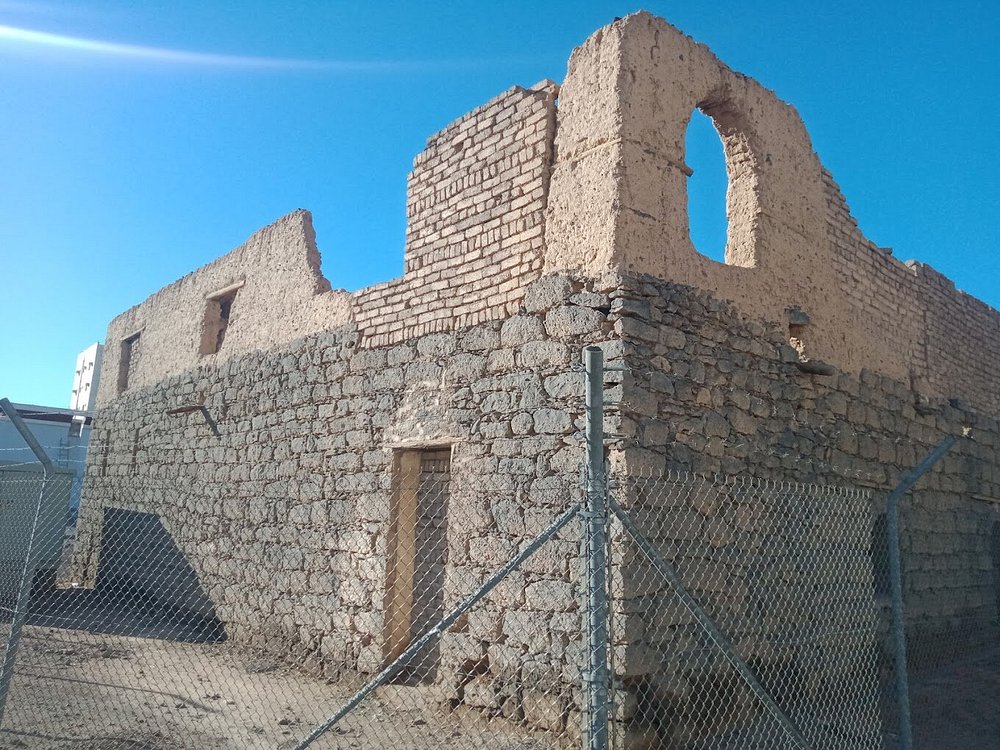
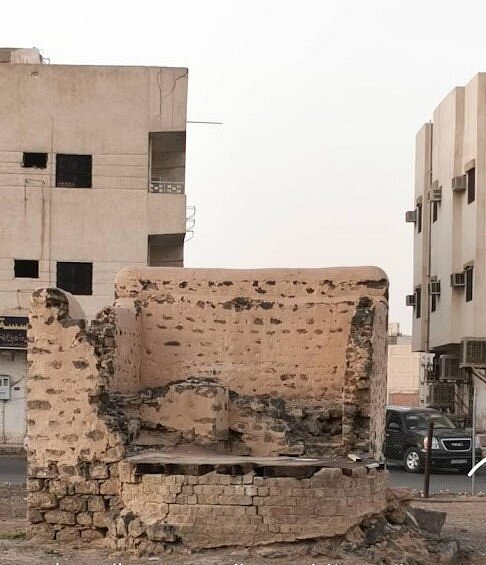
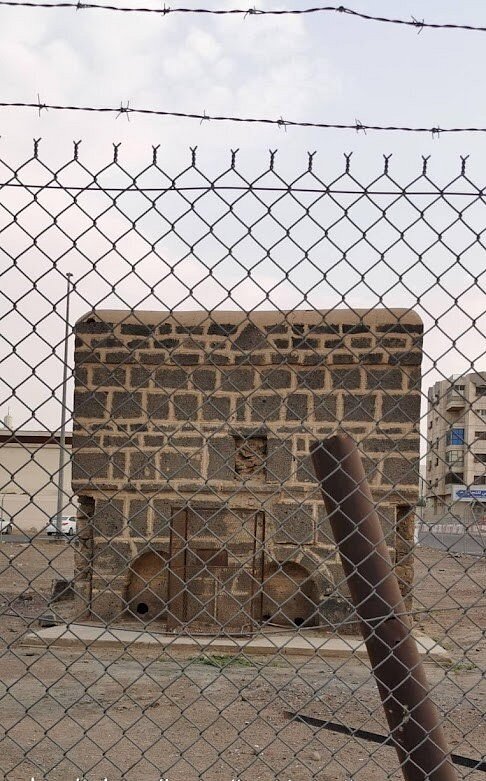
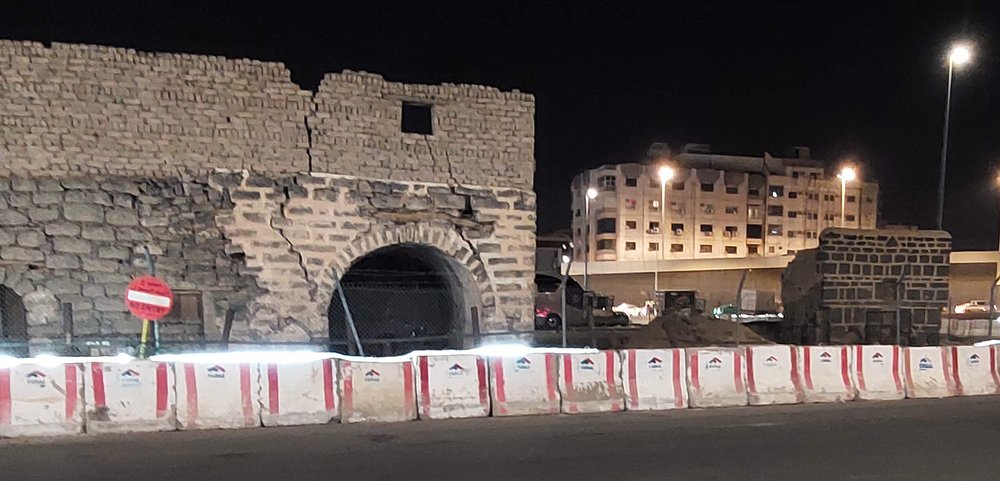
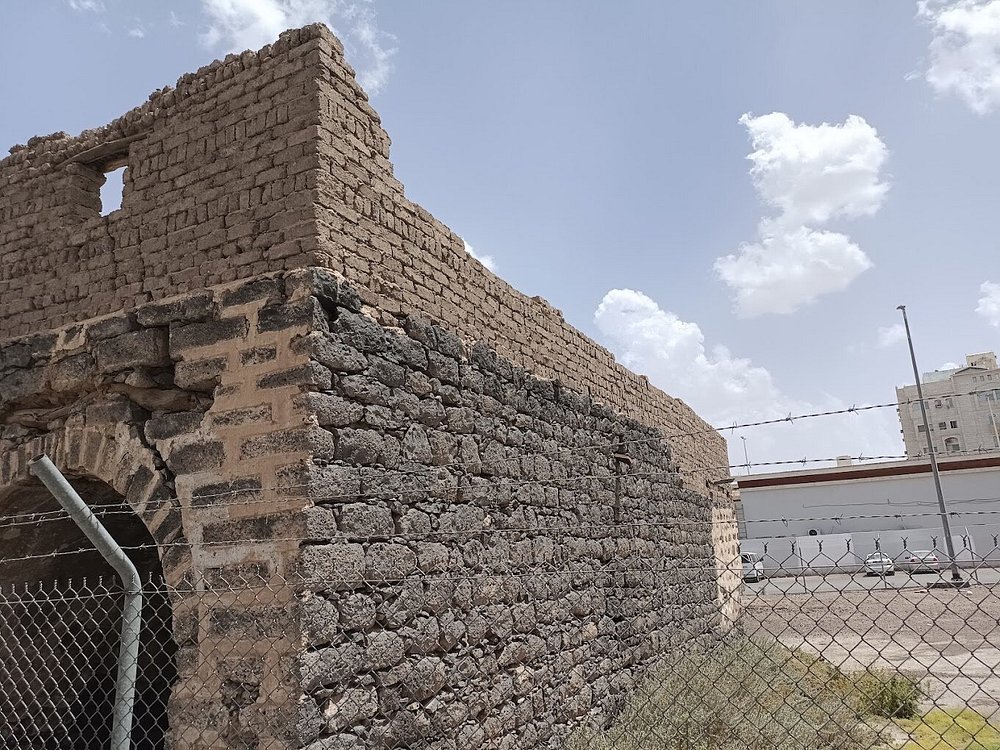
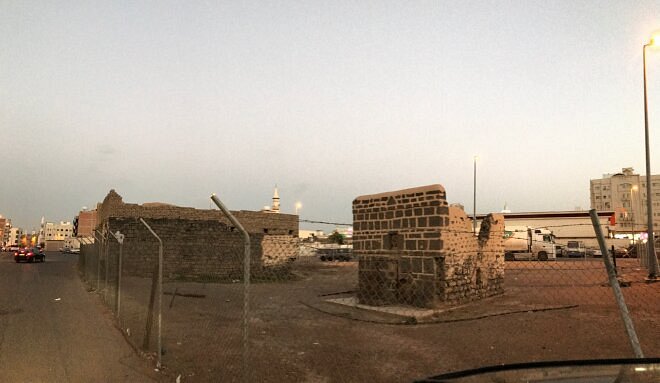
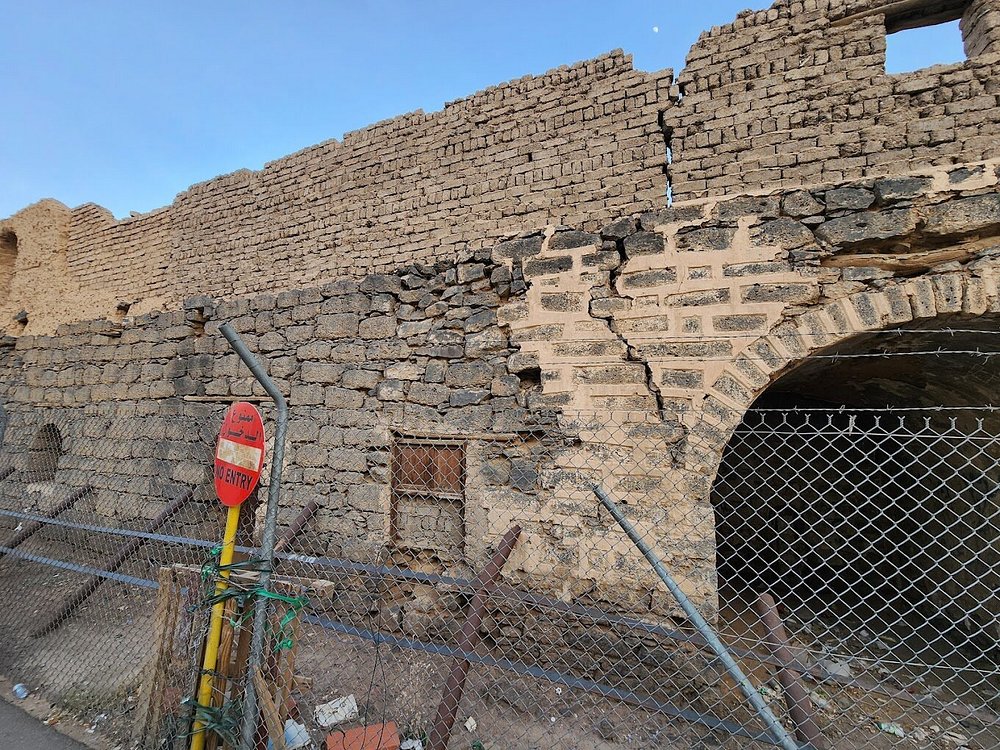
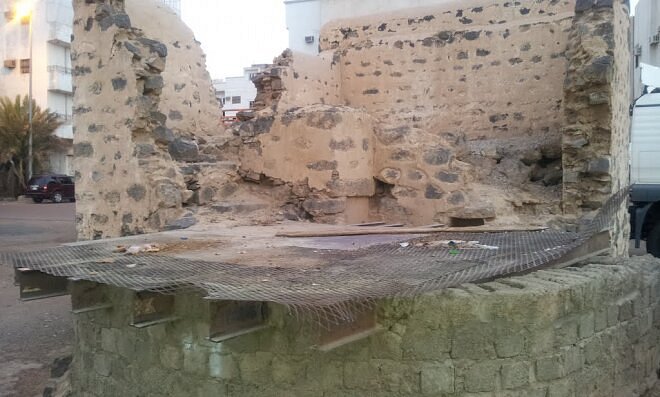
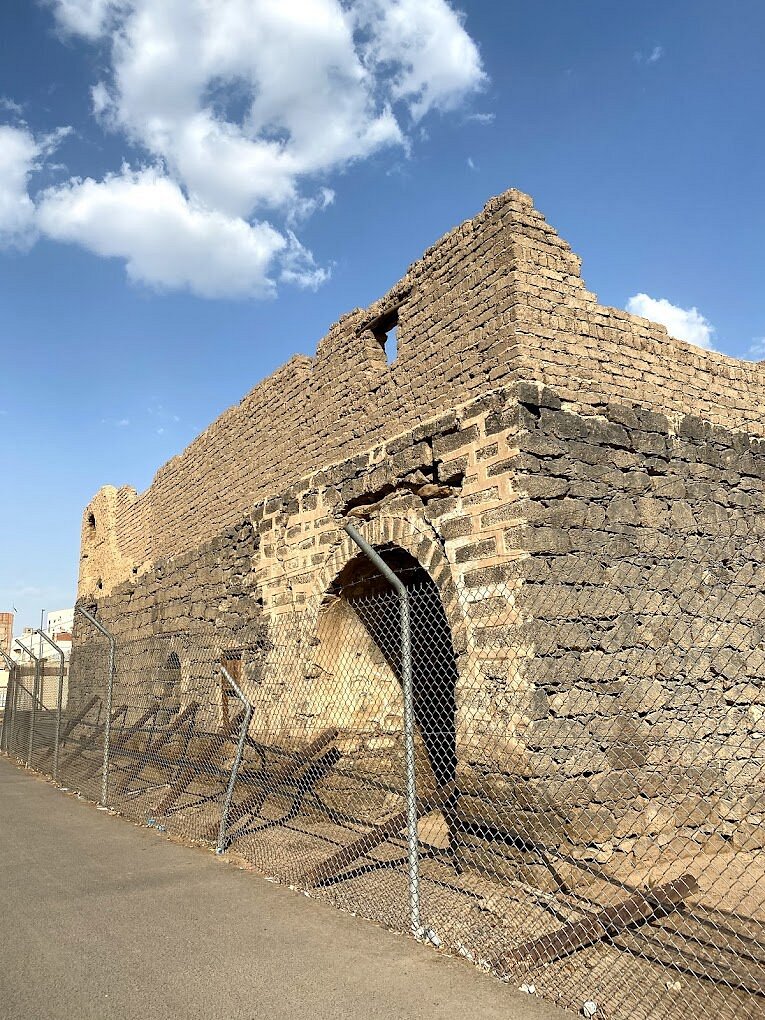
Within this context, during a recent visit to Medina, there was an opportunity to visit the house of Sayyida Fatimah bint al-Husayn (peace be upon her), a historically significant site that emerged in the aftermath of these transformations. This residence was built by her after the original house of Lady Fatimah al-Zahra (peace be upon her) became incorporated into the expanding structure of Al-Masjid an-Nabawi. The presence of a well within the house, along with its association with a direct descendant of the Ahl al-Bayt, further enhances its historical and symbolic importance.
Sayyida Fatimah bint al-Husayn (peace be upon her), one of the distinguished figures of the Prophet’s household, lived in Medina while her father, Imam Husayn (peace be upon him), set out on the path that led to the uprising of Karbala. She herself was present during the tragedy of Karbala and, following the martyrdom of Imam Husayn, endured captivity alongside other members of the Prophet’s family in Kufa and later in Damascus. Despite the immense hardship, this period became a turning point in conveying the message of Ashura.
She is recognized as one of the key narrators of the events of Karbala, playing a vital role in documenting and transmitting the details of this pivotal moment in Islamic history. Her accounts contributed significantly to preserving the truth of the uprising and revealing the ظلم and injustices that followed.
Historical sources also emphasize her striking resemblance to her grandmother, Lady Fatimah al-Zahra (peace be upon her)—a resemblance reflected not only in appearance but also in character, patience, and resilience, further deepening her legacy within the Ahl al-Bayt.
At a time when parts of Islamic historical heritage face erasure or neglect, revisiting such sites and recounting the lives of figures like Sayyida Fatimah bint al-Husayn gains renewed importance. This heritage does not belong to a single geography, but forms an essential part of the shared historical memory and identity of the Muslim world.